What's happening?
Weak water or no hot water
Water that won't behave is often not your fault and not yours to fix. A single slow faucet usually is yours. The whole line of units losing pressure usually isn't. These answers help you tell which you have.
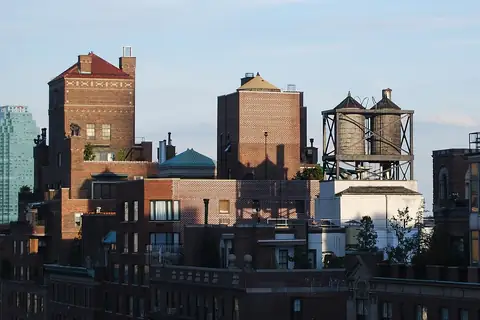 Why is my water pressure so weak on an upper floor?Probably the association'sWho pays, usually: The association or landlord, when every upper floor is weak, because pumps, tanks and risers tend to be shared. A problem confined to one fixture in your unit is a different matter.
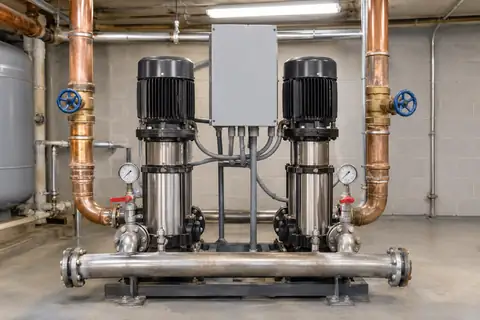 What is a booster pump, and who looks after it?Probably the association'sWho pays, usually: The association or landlord normally maintains and pays for a booster pump, since it serves many homes. Condo owners fund it through common charges, and the declaration has the final word.
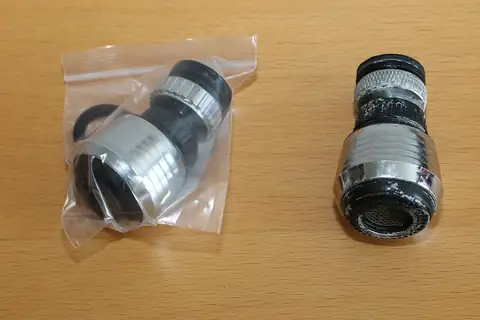 Only one faucet in my apartment is weak. Who fixes that?Probably yoursWho pays, usually: An owner often pays, since a faucet and its stop valve serve only one home, while a renter reports it to the landlord. Declarations can draw the line differently.
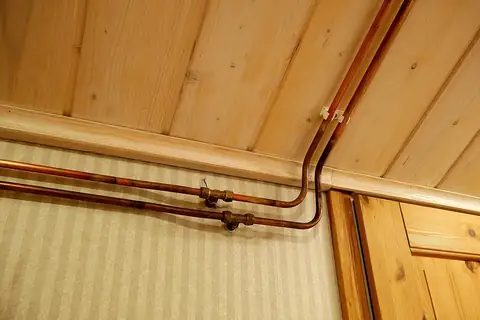 Why does hot water take so long to reach my apartment?Probably the association'sWho pays, usually: The association or landlord usually handles a central heater or hot-water loop. If the heater sits inside your unit, an owner may pay and a renter reports it.
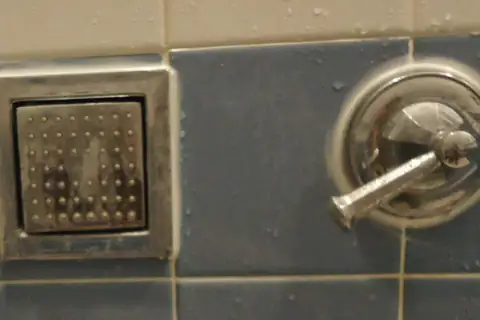 Why does my shower go cold when a neighbor uses water?Not clear yetWho pays, usually: A valve in your wall that serves only your shower often falls to the owner or landlord, while a crossover elsewhere or a building-side fault usually goes to the association or building.
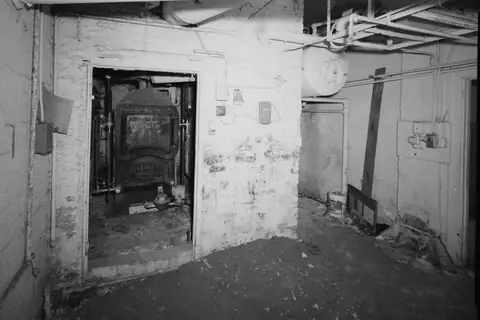 There's no hot water. Is it just me or the whole building?Not clear yetWho pays, usually: A central plant is usually the building's or association's to fix. A heater serving only your unit is often the owner's or the landlord's, depending on the declaration or lease.