What's happening?
Drains back up or something smells
Drains in a shared building connect you to your neighbors, which is why a smell or a backup can start floors away. If you smell gas, skip all of this and leave the building first.
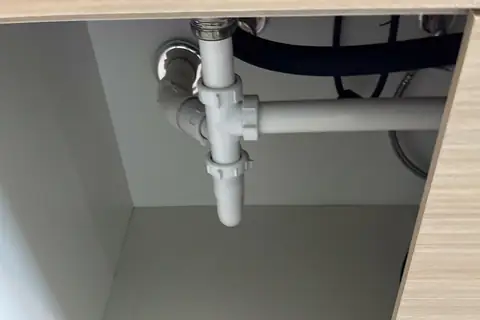 My kitchen sink keeps backing up. Is it my drain or the building's?Not clear yetWho pays, usually: A clog in your own trap or branch often falls to the unit owner, or the landlord for renters. A blockage in a shared line is usually the building's, unless your documents say otherwise.
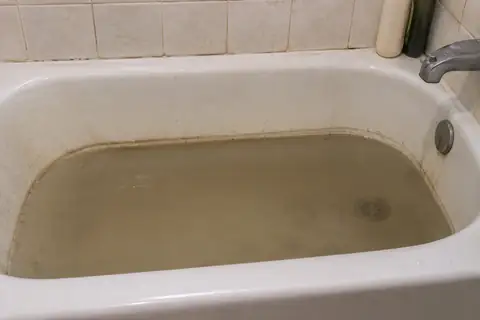 Sewage came up into my tub. What now?Probably the association'sWho pays, usually: The association or building usually handles a blocked shared stack. Cleanup inside your unit may fall to the owner, landlord or an insurer, depending on the declaration, lease, cause and your policy's sewer backup terms.
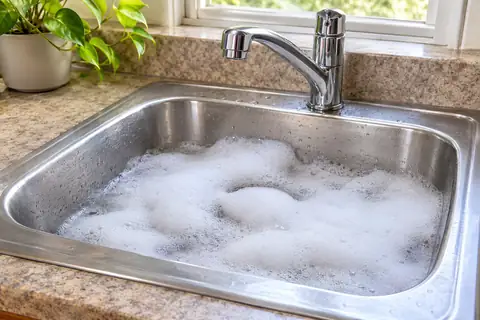 Why are soap suds coming up in my sink?Probably the association'sWho pays, usually: A shared drain stack is usually the association's or building's to deal with, so repeat foaming normally goes to them. You might pay if your own line is the cause or your documents say so.
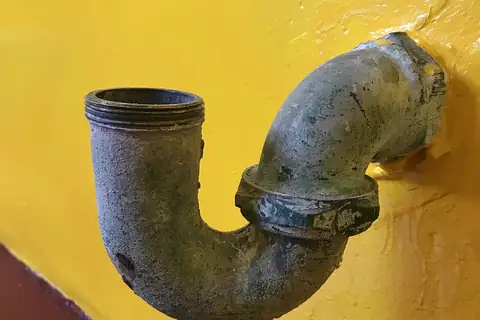 Why does my apartment smell like a sewer?Not clear yetWho pays, usually: Refilling a dry trap costs only a little water. A broken trap or toilet seal in your unit often falls to the owner or landlord, while a blocked vent or cracked stack usually goes to the building.
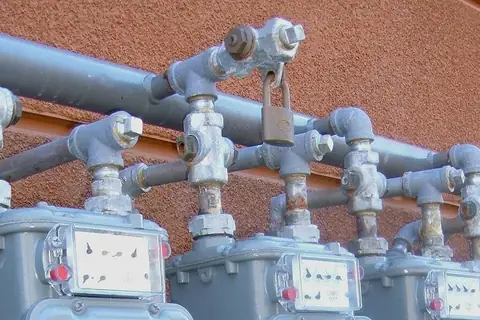 I smell gas in the hallway or my unit. What should I do?Not clear yetWho pays, usually: Nobody needs to decide that yet. Once responders have made the building safe, a repair falls to the utility, the building, an owner or a landlord, depending on where the leak turned out to be.