Whose problem is it?
Probably yours
Things that serve only your unit, such as fixtures, appliances and often the lines right behind them, tend to land on the unit owner. In some buildings the line is drawn elsewhere, so these answers show you how to check.
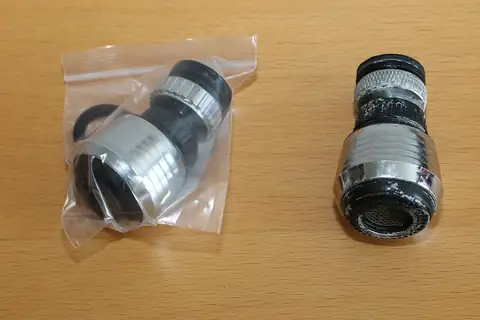 Only one faucet in my apartment is weak. Who fixes that?Weak water or no hot waterWho pays, usually: An owner often pays, since a faucet and its stop valve serve only one home, while a renter reports it to the landlord. Declarations can draw the line differently.
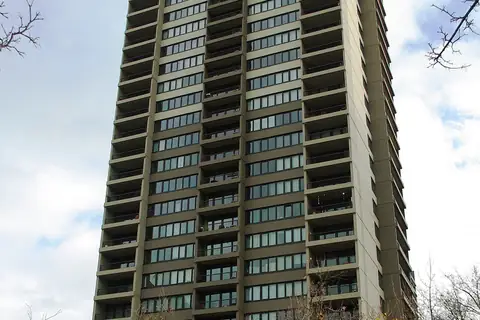 What does condo insurance (HO-6) do after a water leak?A bill or assessment arrivedWho pays, usually: Your HO-6 commonly pays for belongings and for interior items the master policy leaves out, after your deductible, if the cause is covered; your declaration and policy wording draw the line.
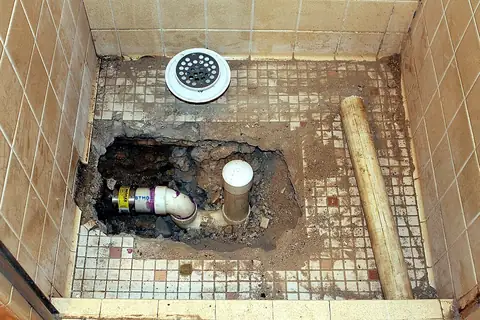 Do I need permission to remodel my condo bathroom?You want to change somethingWho pays, usually: You normally pay for your own remodel; the board or manager usually decides whether the work may go ahead, and the local building department decides whether it needs a permit.
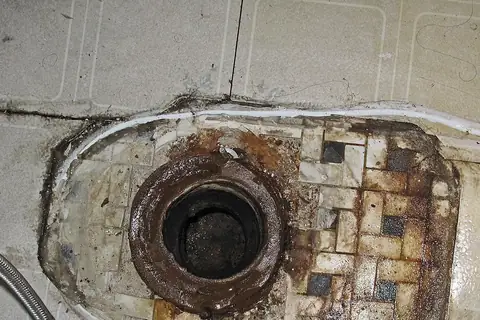 Can I move a toilet or sink in my condo?You want to change somethingWho pays, usually: The owner who wants the move normally pays for it; the board usually decides whether shared drains, floors or walls may be touched, and later trouble from the work may come back to that owner.
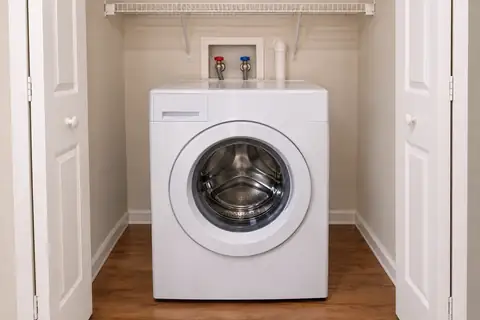 Can I add a washing machine to my apartment?You want to change somethingWho pays, usually: You usually pay for the machine and any plumbing to install it; the lease or association rules decide whether it's allowed at all, and a leak from it may land on you.
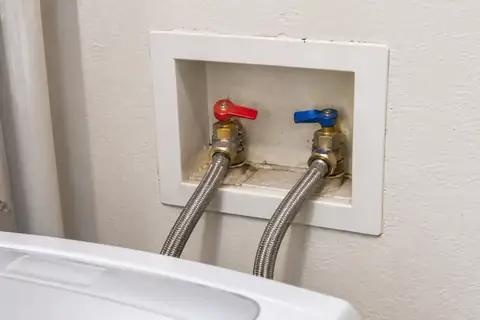 How often should I change the washing machine hoses?You want to change somethingWho pays, usually: If the washer and hoses are yours, the hoses are usually your cost; with a landlord's machine, the landlord usually handles them, so report wear instead of swapping them yourself.
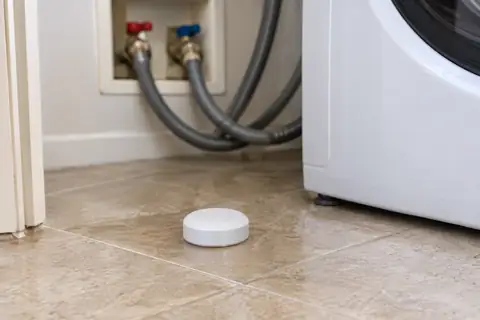 Are leak sensors worth it in a condo or apartment?You want to change somethingWho pays, usually: You usually buy your own sensors; a shutoff valve cut into a pipe is different, usually needing approval from the association or landlord and a plumber, normally at the expense of whoever asked for it.
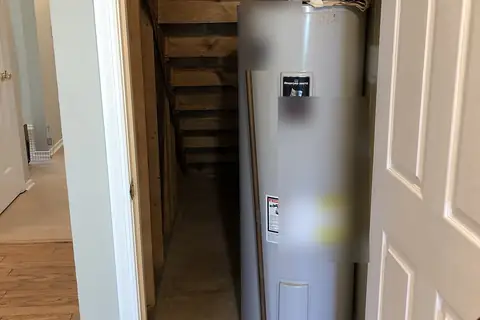 My water heater is in a closet. What should I watch for?You want to change somethingWho pays, usually: Owners often pay for a heater serving only their unit, depending on the declaration; if you rent, the landlord usually repairs or replaces it, and any leak below may involve several insurers.
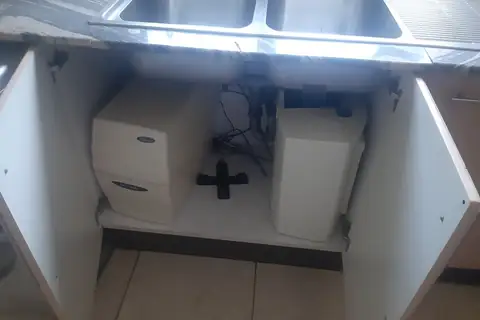 Can I put a water softener or filter in my apartment?You want to change somethingWho pays, usually: You normally pay for treatment equipment you want for your own unit; the association or landlord usually decides anything plumbed in, and some declarations leave its upkeep and insurance with the owner.
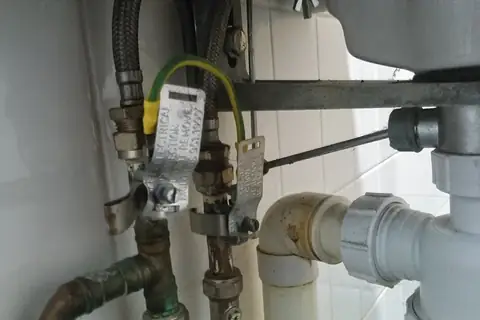 Where are the water shutoffs in my unit?You want to understand your buildingWho pays, usually: Small valves serving your fixtures often fall to the owner, or to the landlord in a rental; valves on risers or serving others are usually the association's or building's, though documents vary.