What's happening?
A bill or assessment arrived
Plumbing money in a shared building comes through odd doors: an assessment, a passed-on deductible, a water charge split by formula. We explain how these generally work. We can't tell you what your documents or your state's law require.
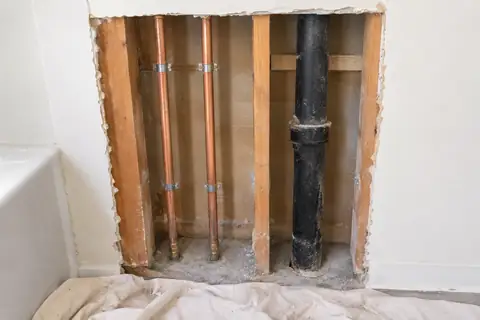 The building wants to replace its risers. What should I ask before paying?Probably the association'sWho pays, usually: All the owners together, through reserves, a loan or assessments, because risers are usually common elements; your declaration and state law decide how your share is figured.
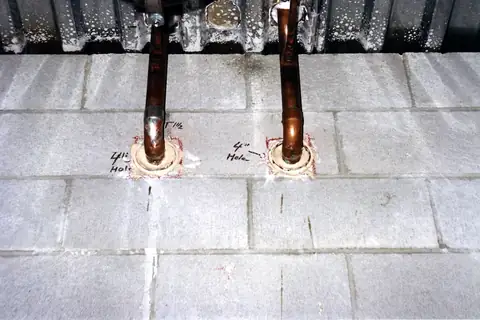 What actually happens inside my unit during a riser project?Probably the association'sWho pays, usually: The association usually pays for the shared pipe, while restoring finishes, tile and upgrades depends on the contract and your declaration, so get those terms in writing before work starts.
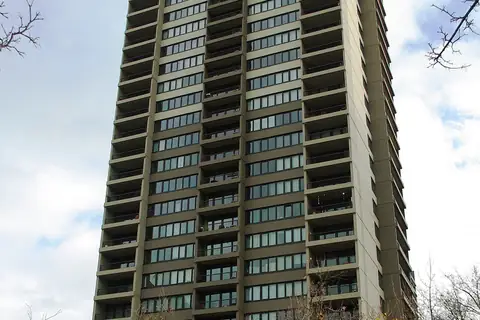 What does condo insurance (HO-6) do after a water leak?Probably yoursWho pays, usually: Your HO-6 commonly pays for belongings and for interior items the master policy leaves out, after your deductible, if the cause is covered; your declaration and policy wording draw the line.
 The association billed me the master policy deductible. Can it?Not clear yetWho pays, usually: That depends on your state and declaration; some rules make the deductible a shared expense, some let the board charge the unit where the damage began, and some look at fault.
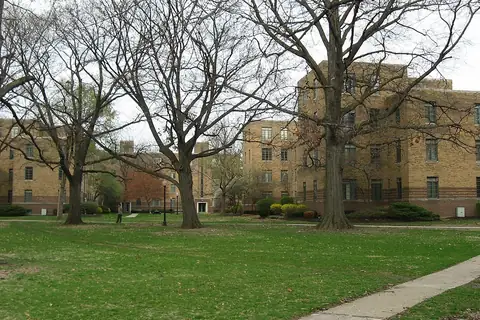 Does renters insurance cover a leak or a sewer backup?You rent: start with your landlordWho pays, usually: Your own renters policy commonly pays for your belongings after a covered loss, the landlord handles the building, and a backup or flood may need cover you added or bought separately.
 Flood, leak or sewer backup: which insurance applies in a condo?Not clear yetWho pays, usually: It follows the water's cause and path: the association's policies for building damage, your HO-6 or renters policy for your share of a leak, and flood cover only if someone bought it.
 Why is our shared water bill so high, and how do apartments split it?Not clear yetWho pays, usually: With one master meter, the building pays and recovers it through rent, condo fees or a formula; with submeters, each unit usually pays for its measured use, under rules that vary by place.
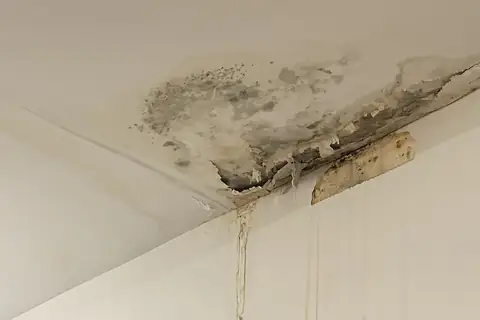 My landlord won't fix the leak. What are my options?You rent: start with your landlordWho pays, usually: Your landlord normally pays to repair the plumbing and handles the building or association, unless you caused it; your lease and state law decide what you may do when repairs stall.