Why is our shared water bill so high, and how do apartments split it?
Who pays, usually: With one master meter, the building pays and recovers it through rent, condo fees or a formula; with submeters, each unit usually pays for its measured use, under rules that vary by place.
Filed under Not clear yet
An apartment water bill goes high when usage rises somewhere on a meter everyone shares, and it gets split by submeter, by a formula such as square footage, or through rent or condo fees.
From the Whose Pipe Is It? desk. Sources last checked November 3, 2026. .
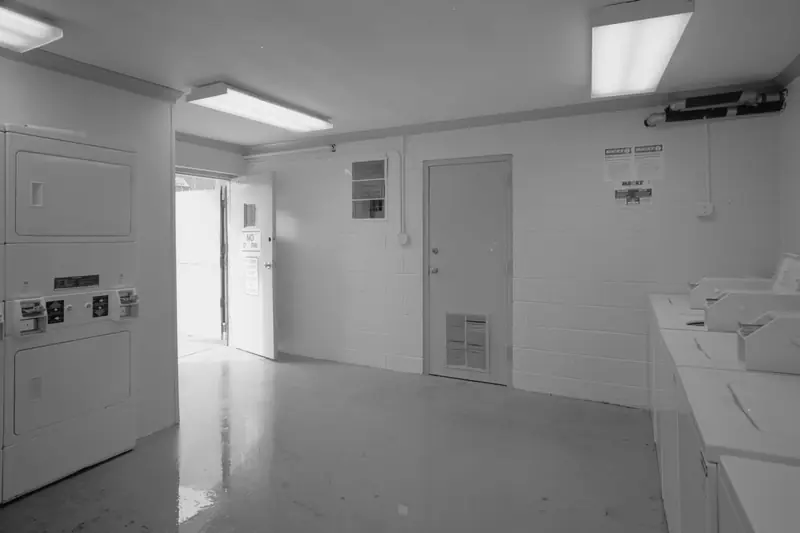
A shared bill hides who used what, which is the whole problem. One running toilet on the eighth floor shows up as a small increase for everybody and a mystery for all of you. So two questions need separate answers: how is the bill divided, and why did the total jump?
How does the money get divided?
Most multifamily buildings have a single master meter for the property, EPA says, unless submeters are required or the owner chooses them. From there, three setups are common.
| Setup | How your share is set | What to ask for |
|---|---|---|
| Included in rent or condo fees | Not separately. Your share is buried in the rent or the budget | The building's yearly water cost, from the budget if you own |
| Formula, also called RUBS (ratio utility billing) | Square footage, occupancy or similar factors, per EPA | The written formula, the actual utility bill, any admin fees |
| Submeter on each unit | Your measured use, at a rate the billing setup defines | Your readings, the rate, how it compares to the utility's bill |
Rules for submetering and resident billing vary by location. EPA notes that some states or local utilities require submeters, and others require prior approval from a state agency or utility commission. It points people to their state, utility commission or water utility. This site hasn't read any state's rule, so start there if a charge looks wrong.
Why would the total suddenly jump?
Look at gallons first, not dollars. A rate increase and a leak can produce the same-looking bill, and the utility's statement usually shows usage. If usage is flat and the bill rose, you have a rate question. If usage climbed, something is running. Washington's insurance regulator gives the same advice for any household: watch your water bill for sudden spikes with no obvious reason.
The usual suspects are unglamorous. EPA's list of common household leaks starts with worn toilet flappers and dripping faucets. A building simply has more of them, and each runs without anyone paying for it directly. Small numbers add up over a year:
- All the leaks in an average homeover 9,300 gallons
- A faucet dripping once a secondover 3,000 gallons
- A showerhead at 10 drips a minuteover 500 gallons
Those are EPA's figures for more than 500 gallons from a showerhead, more than 3,000 from a faucet and more than 9,300 from a typical household's leaks. EPA also says nine percent of homes have leaks wasting 50 gallons or more a day. Multiply by your building's units, and you can see how little it takes.
Common systems can be the cause as well. A leak in a boiler feed, a riser or stack, a garage hose bib or an irrigation line belongs to the building, and only staff can check those. If you can hear water running in a wall, report it.
How to check your own unit
- Put a few drops of food coloring in each toilet tank. If color reaches the bowl within 10 minutes, EPA says you have a leak. Flush afterward so it doesn't stain.
- Check faucets, showerheads and under-sink connections for drips and damp cabinets.
- If your unit has a submeter you can read, note the figure before bed and again in the morning with no water used.
- Report anything you find in writing. EPA says flappers should be replaced at least every five years, and a leak in a rental usually goes to the landlord to fix.
- Ask the manager what the master meter shows overnight when almost nobody is using water.
Do submeters actually help?
They may. EPA's metering sheet cites one national study in which residents of submetered units used about 15 percent less water than residents of unmetered units. That is a single unnamed study, and it says nothing about your building. EPA also notes that submeters help managers find a leak in a specific unit, which may be the better argument at a board meeting.
If you own
In a condo with one meter, water often sits in the budget, and your declaration's assessment article decides your share. Ask the board for a year of usage in gallons, and ask whether anyone has done a leak survey. If submeters come up, ask what local rules require and whose lines they would touch.
If you rent
Read the lease section on utilities, and ask for the formula or the readings in writing. If you pay by formula, your careful habits barely change your bill, which is annoying. Report leaks anyway, because a landlord can't fix what nobody has mentioned.
The short of it
Check gallons before dollars, then hunt the leaks: toilets first, then faucets, then the building's own lines. Ask for the formula or readings in writing, and check your local rules if the charge looks off.
Asked next
Can a landlord bill for water without a meter in my unit?
Sometimes. EPA describes formula billing from a master meter, and rules on it vary by location. Your lease and your state or local rules decide, so ask the state utility commission or water utility what applies.
Can tenants or owners see the building's actual water bill?
Ask in writing, with a reason. Owners can usually request association records under their governing documents and state law. Renters depend on the lease and local rules, and a landlord who bills by formula should at least be able to explain the math.
How high is too high for one household?
EPA offers a rough winter check: if a family of four uses more than 12,000 gallons a month in a colder month, there could be serious leaks. It only works if you can see your unit's own use, such as on a submeter.
If a neighbor's toilet is running up the bill, who pays?
Everyone on the meter, usually, until it is fixed. That is why reporting beats arguing. Tell the manager or board what you have noticed without naming blame, and let them check the unit.
Read it yourself
- EPA WaterSense, metering sheet: master meters, RUBS, varying rules, the 15 percent study, read Nov 3, 2026.
- EPA WaterSense, Fix a Leak Week: leak volumes, dye test, flappers, winter check, read Nov 3, 2026.
- Washington Office of the Insurance Commissioner, leaks and mold: watching the bill for spikes, read Nov 3, 2026.