My landlord won't fix the leak. What are my options?
Who pays, usually: Your landlord normally pays to repair the plumbing and handles the building or association, unless you caused it; your lease and state law decide what you may do when repairs stall.
Filed under You rent: start with your landlord
When a landlord won't fix a leak, build a dated written record, escalate to local inspectors and tenant help, and use any rent remedy only if your state's law allows it and you follow it exactly.
From the Whose Pipe Is It? desk. Sources last checked November 3, 2026. .
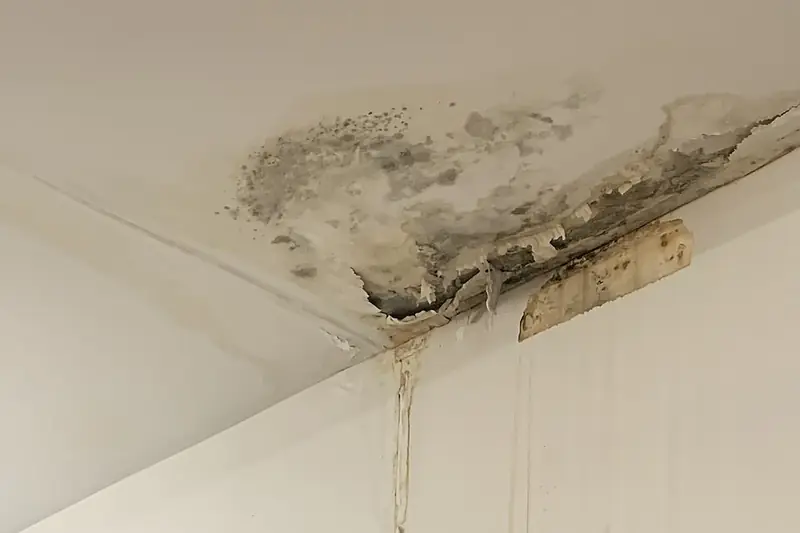
Keep paying rent while you work through this list, unless a lawyer or tenant-help group in your state tells you otherwise. Most of your leverage comes from a clean record: what you reported, when, and what happened next. Rent remedies come last, because they are the options most likely to backfire.
The order that usually serves you best
- Report it the way the lease says, then confirm in writing the same day.
- Send a second dated notice if nothing happens, by a method that proves delivery.
- Go up the chain: the owner as well as the manager, and in a rented condo, the unit owner.
- Call your local housing, building or health department and ask for an inspection. A report is a record that isn't yours.
- Contact a local tenant-help organization or legal aid before doing anything with the rent.
- Only then look at your state's remedies, and follow them to the letter.
What should the notice say?
A notice that reads like a work order is hard to argue with. Include:
- Your name, address and unit, and today's date
- What is leaking, where, and when you first saw it
- What you already reported, and to whom
- What it is damaging or endangering, such as mold starting or a wet ceiling
- That you can give access, and when
- A request for a repair date, in writing
Attach photos and keep copies. Note each call, with the name and date, and keep your rent receipts, since Texas's statute, for one, cares whether you were behind on rent when you gave notice.
EPA's drying window is 24-48 hours to prevent mold growth, so mention it if the leak keeps things wet. If it comes from above, see who handles an upstairs leak. Damaged belongings are a separate matter for renters insurance.
What does your state's law say?
The notes below cover only California, Texas and New York, the statutes we read. Each applies only in its own state, and other states have their own rules. These are summaries, not advice, and a local tenant-help organization or lawyer can tell you how they work in practice.
What happens if the rent part goes wrong?
Deducting or holding back rent outside your state's rules can bring late fees, a claim for what you owe, or a nonpayment or eviction case, which may be on your record even if you later settle it. That is why step five comes before step six.
Search your city or county for tenant organizations and legal aid. HUD keeps state pages, and Florida's, for one, points to rent relief and eviction resources, while HUD says it isn't a direct service provider.
If you own
These tenant remedies don't fit a dispute with your association. Look to your declaration's maintenance article and any state rule. California's Civil Code 4775, from an archived copy, gives boards 14 days to start repairs when a water outage starts in the common area, unless the declaration says otherwise, and that applies only there.
If you rent
Your lease is with your landlord, even when the leak sits in a condo's shared riser. The landlord deals with the association or building, and you deal with the landlord. Keep your messages about the repair and leave who-owns-the-pipe for them to sort out.
The short of it
Write it down, send it again, bring in an inspector and a tenant-help group, and keep paying until someone qualified in your state says a remedy fits. If you do use one, do it exactly as your state's statute says.
Asked next
How long should a tenant wait for a repair?
No single national answer exists. California presumes 30 days is reasonable for its remedy, and Texas presumes seven days under its statute, with exceptions for severity and availability of materials. An active leak justifies pressing far sooner than either number, in writing.
Can a landlord retaliate for complaining?
Some states restrict it. Texas Property Code 92.331, for one, bars retaliation for giving a repair notice or complaining to a code office, within limits. Other states have their own rules, so ask a local tenant-help organization.
Can a tenant just move out?
Only with care. California's 1942 and Texas's 92.056 each describe a way out, each with conditions. Leaving without meeting your state's rules can leave you owing rent, so get advice first and put your reason in writing.
Read it yourself
- California Civil Code 1941.1: what a rental must have, California only, archived copy of the official page, captured September 14, 2026, read Nov 3, 2026.
- California Civil Code 1942: repair and deduct limits, California only, archived copy of the official page, captured September 25, 2026, read Nov 3, 2026.
- California Civil Code 4775: the 14-day start, California only, archived copy of the official page, captured September 14, 2026, read Nov 3, 2026.
- Texas Property Code chapter 92: sections 92.052, 92.056, 92.0561, 92.058 and 92.331, Texas only, read Nov 3, 2026.
- New York Real Property Law 235-b: warranty of habitability, New York only, archived copy of the official page, captured August 17, 2026, read Nov 3, 2026.
- EPA, a brief guide to mold: drying within 24-48 hours, read Nov 3, 2026.
- HUD, Florida page: an example of HUD's state pages, archived copy of the official page, captured August 27, 2026, read Nov 3, 2026.