The leak stopped. How fast does everything have to dry?
Who pays, usually: Drying usually follows whoever is responsible for the wet material: your insurer or you for belongings, the landlord for a rental's structure, and in condos the declaration and master policy, so ask early.
Filed under Not clear yet
With water damage in an apartment, EPA's target is to dry wet areas and items within 24-48 hours, which means starting today, even before anyone agrees who pays.
From the Whose Pipe Is It? desk. Sources last checked November 3, 2026. .
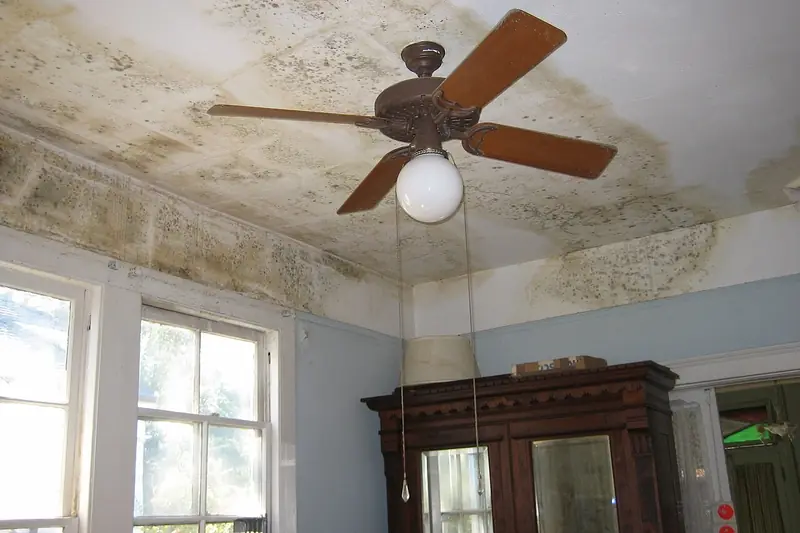
The number to remember is EPA's: 24-48 hours to get water-damaged materials dry, with the aim of heading off mold. EPA adds that if materials are dried in that window, mold won't grow in most cases. Texas's insurance department warns mold can start within a day. So aim for the short end, and count from when the water started, not from when someone finally returns your call.
The clock runs faster than the paperwork. Insurers and associations can take days to decide who owns what. Washington's insurance regulator calls preventing further damage one of a policyholder's most important tasks, so start, and keep the receipts.
What gets dried first, and who decides?
Start with what you can move today, photographing it all first. Then push whoever owns the rest.
| What got wet | What usually happens | Usually whose call |
|---|---|---|
| Furniture, clothes, electronics | Move to a dry room with fresh air; keep damaged items for the adjuster | Yours, with your insurer |
| Rugs and wall-to-wall carpet | Pull up wet carpet and rugs; they may have to go if they become moldy | Yours for your rugs; landlord or owner for installed carpet in a rental |
| Drywall ceiling or wall | Can look dry while moisture stays behind it; may need opening to dry | Association, owner or landlord, depending on the documents |
| Ceiling tiles | Porous, so they may have to go if they become moldy | Whoever maintains that ceiling |
| Anything touched by sewage | Pro cleanup; contaminated drywall and insulation get removed | Building, owner or landlord, with a pro |
For air, CDC's flood guidance suggests fans at a window or door blowing outward, and dehumidifiers. Don't run central heating or air if you know or suspect it's contaminated with mold, as EPA advises. If it is more than you can dry yourself, Texas's guidance points toward a service that specializes in water damage, and your agent can help you find one. Ask your manager first, since the building may already use one.
How do you know it's actually dry?
Touch isn't reliable. EPA lists the back side of drywall and the underside of carpet pads among places mold hides. If someone is drying the space professionally, ask how they measure it and when they consider it done. If a musty smell develops later, tell the manager or landlord again, with the date.
What about mold that has already started?
Don't paint over it. EPA says that if the area is less than about 10 square feet, you can in most cases handle the job yourself: scrub hard surfaces with detergent and water, and dry them completely. Above that size, or with a lot of water damage, EPA points to its professional guidance. If you rent, check with your landlord first.
Insurance is narrower here. Many policies offer limited mold coverage, and only when it comes from a covered loss. Your HO-6 or renters policy wording is what counts, so ask before you spend on testing.
If you own
Ask your manager two things today: who is drying the structure, and is a master policy claim being made? Your HO-6 insurer should hear about anything you do in the meantime. Temporary steps are usually fine, but wait on anything permanent until the adjuster has looked. Then read how the bills usually split.
If you rent
Email your landlord a timed photo saying the area is still wet, and ask when drying will start. Dry your own belongings right away. Don't remove installed carpet or open up walls without an okay. If nothing happens, here's what to do when a landlord stalls.
The short of it
Treat 24 to 48 hours as your deadline, and start before anyone has agreed who pays. Photograph first, keep receipts, and stay out of walls that aren't yours to open.
Asked next
Is it too late if more than 48 hours have passed?
No. Keep drying and start checking for mold. EPA's window is about prevention, and it doesn't mean mold is certain afterward. Tell your insurer and building if drying was delayed, and why.
Should wet things go in the trash right away?
Not until the adjuster has seen them, per Texas's guidance, unless they're a health problem. Photograph them and list them, then set them aside somewhere dry and secure. Food or items soaked by sewage are different, so follow health department advice.
Does turning the heat up help?
Fans and dehumidifiers are what CDC's guidance names, and a central system could spread mold if it is contaminated. Ask whoever is drying the space what they want.
Is a mold test necessary?
Often not. EPA's guide focuses on fixing the moisture and cleaning what's there. Texas's guidance says most home policies don't include testing, so ask before paying for one.
Read it yourself
- EPA, A Brief Guide to Mold, Moisture and Your Home: 24-48 hours, 10 square feet, porous materials, sewage, HVAC, hidden mold, read Nov 3, 2026.
- Texas Department of Insurance, When are water damage and mold covered: within a day, moving items, carpets, services, keeping items, permanent repairs, mold cleanup and testing, read Nov 3, 2026.
- Washington Office of the Insurance Commissioner, Filing a condo unit insurance claim: preventing additional damage, receipts, read Nov 3, 2026.
- Washington Office of the Insurance Commissioner, Leaks, water damage and mold: limited mold coverage, read Nov 3, 2026.
- CDC, Reentering your flooded home: fan placement, dehumidifiers, read Nov 3, 2026.
- CDC, Natural disaster safety: removing drywall and insulation contaminated with sewage, read Nov 3, 2026.