Whose problem is it?
Probably the association's
Shared equipment such as risers, stacks and booster pumps usually belongs to the association to maintain, and only its staff or contractors should touch it. If you rent, the same issues go to your landlord first.
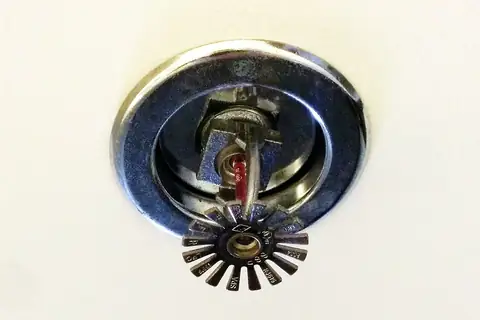 A fire sprinkler is dripping in my apartment. What can I do?Water is coming inWho pays, usually: The building or association usually arranges and pays for sprinkler repairs, since the system protects everyone, though your declaration or lease and any insurance claim settle the rest, including damage to your things.
 Why is my water pressure so weak on an upper floor?Weak water or no hot waterWho pays, usually: The association or landlord, when every upper floor is weak, because pumps, tanks and risers tend to be shared. A problem confined to one fixture in your unit is a different matter.
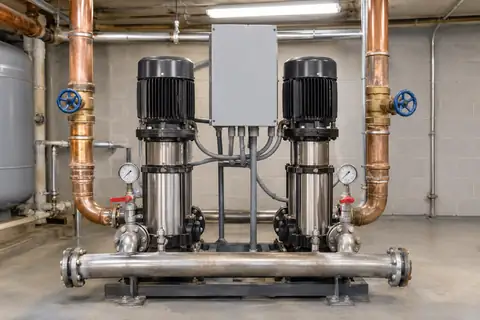 What is a booster pump, and who looks after it?Weak water or no hot waterWho pays, usually: The association or landlord normally maintains and pays for a booster pump, since it serves many homes. Condo owners fund it through common charges, and the declaration has the final word.
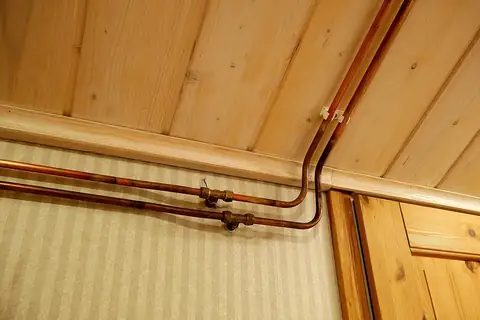 Why does hot water take so long to reach my apartment?Weak water or no hot waterWho pays, usually: The association or landlord usually handles a central heater or hot-water loop. If the heater sits inside your unit, an owner may pay and a renter reports it.
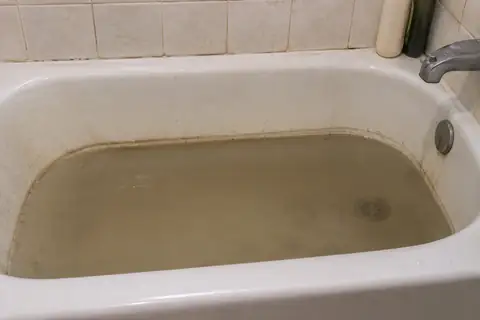 Sewage came up into my tub. What now?Drains back up or something smellsWho pays, usually: The association or building usually handles a blocked shared stack. Cleanup inside your unit may fall to the owner, landlord or an insurer, depending on the declaration, lease, cause and your policy's sewer backup terms.
 Why are soap suds coming up in my sink?Drains back up or something smellsWho pays, usually: A shared drain stack is usually the association's or building's to deal with, so repeat foaming normally goes to them. You might pay if your own line is the cause or your documents say so.
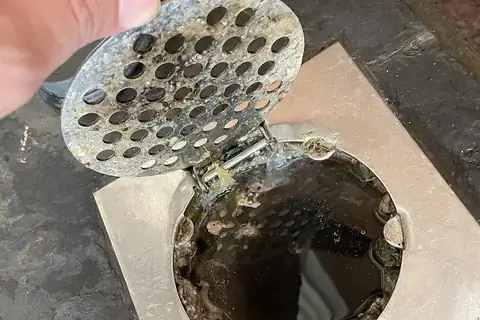 Why does my drain gurgle when a neighbor runs water?Noises in the wallsWho pays, usually: A shared vent or slow common line is usually the association's or building's job. If the trouble proves to be only your own fixture's trap or branch, the owner or landlord may pick it up.
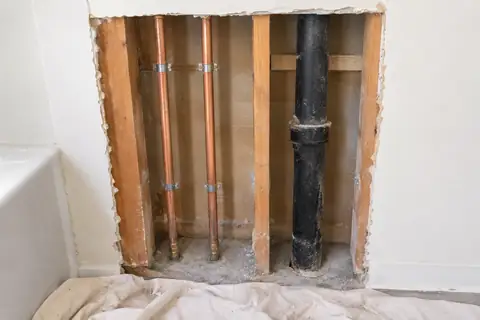 The building wants to replace its risers. What should I ask before paying?A bill or assessment arrivedWho pays, usually: All the owners together, through reserves, a loan or assessments, because risers are usually common elements; your declaration and state law decide how your share is figured.
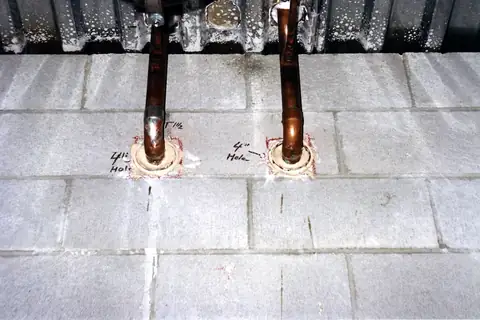 What actually happens inside my unit during a riser project?A bill or assessment arrivedWho pays, usually: The association usually pays for the shared pipe, while restoring finishes, tile and upgrades depends on the contract and your declaration, so get those terms in writing before work starts.
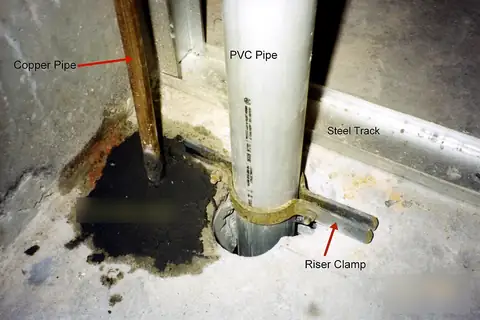 What are risers and stacks, in plain words?You want to understand your buildingWho pays, usually: Pipes serving several units are usually the association's or the building owner's to maintain and replace, though the declaration decides, and the cost usually reaches owners through common charges or assessments.
 The building is shutting off the water tomorrow. How do I get ready?You want to understand your buildingWho pays, usually: The association or building owner usually arranges and pays for a planned shutdown as part of shared plumbing work, and you normally bear only small inconveniences, unless your own unit's work triggered it.
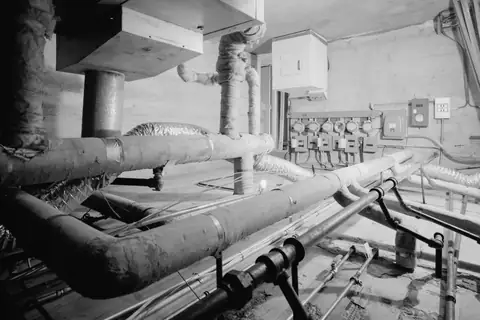 What kind of pipes does an older building have, and should I worry?You want to understand your buildingWho pays, usually: The association or building owner usually handles shared pipes in older buildings, with costs reaching owners through common charges or assessments; renters usually deal with the landlord, and a unit's own branch lines depend on the documents.