Whose problem is it?
Not clear yet
Many problems can't be assigned until someone finds where they start. What you can do meanwhile is record what you see, report it in writing and avoid opening anything up. Blame can wait for the source.
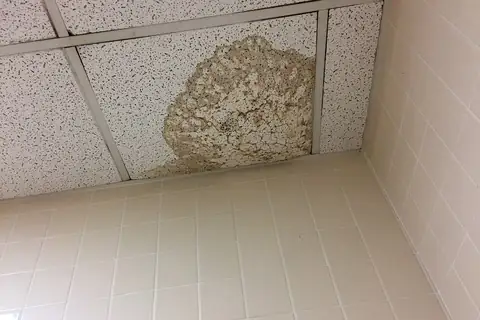 Water is coming through my ceiling. What do I do first?Water is coming inWho pays, usually: Nobody settles that in the first hour. Later it turns on where the water started, your lease or declaration and the policies involved, so for now just report it and record it.
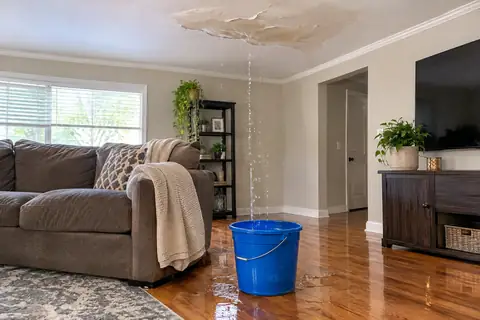 Water came through my condo ceiling from upstairs. Who pays?Water is coming inWho pays, usually: Often several parties share it. Your own unit policy is the usual first call, and the source, any negligence, your declaration and state law decide what shifts to a neighbor or the association.
 My unit leaked into the one below. Am I responsible?Water is coming inWho pays, usually: Not automatically you. The source, any negligence, your declaration or lease and state law decide it, and your liability cover is usually where any claim against you lands.
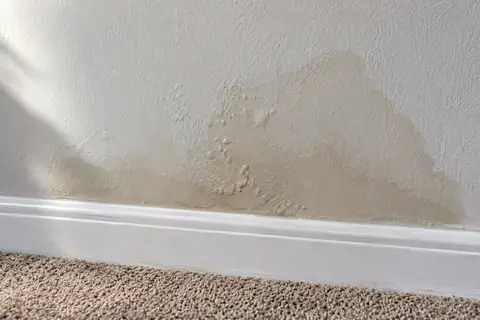 There's a wet spot on a wall between units. Whose pipe is it?Water is coming inWho pays, usually: It depends on what the pipe serves. Shared lines are usually the association's, one-unit lines vary by declaration, and rentals generally go through the landlord, so find the source before anyone assigns the bill.
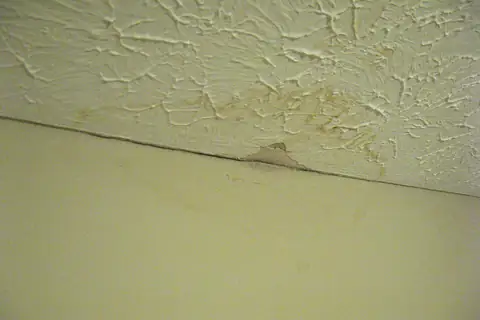 There's a brown stain on my ceiling, but nothing is dripping. Does it matter?Water is coming inWho pays, usually: Reporting it is free. Any later repair usually follows the source: the landlord for a rental, and for a condo, whoever your declaration assigns that line or roof to, or the association for shared lines.
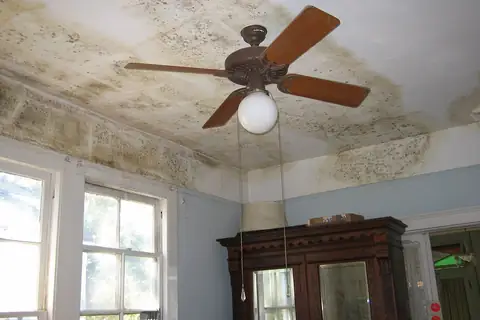 The leak stopped. How fast does everything have to dry?Water is coming inWho pays, usually: Drying usually follows whoever is responsible for the wet material: your insurer or you for belongings, the landlord for a rental's structure, and in condos the declaration and master policy, so ask early.
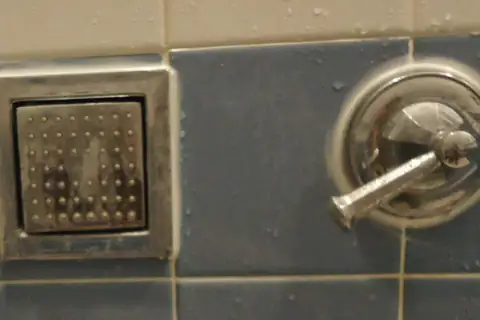 Why does my shower go cold when a neighbor uses water?Weak water or no hot waterWho pays, usually: A valve in your wall that serves only your shower often falls to the owner or landlord, while a crossover elsewhere or a building-side fault usually goes to the association or building.
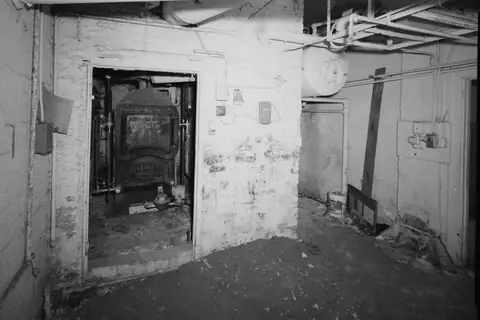 There's no hot water. Is it just me or the whole building?Weak water or no hot waterWho pays, usually: A central plant is usually the building's or association's to fix. A heater serving only your unit is often the owner's or the landlord's, depending on the declaration or lease.
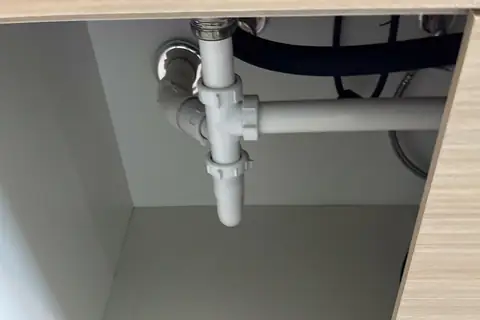 My kitchen sink keeps backing up. Is it my drain or the building's?Drains back up or something smellsWho pays, usually: A clog in your own trap or branch often falls to the unit owner, or the landlord for renters. A blockage in a shared line is usually the building's, unless your documents say otherwise.
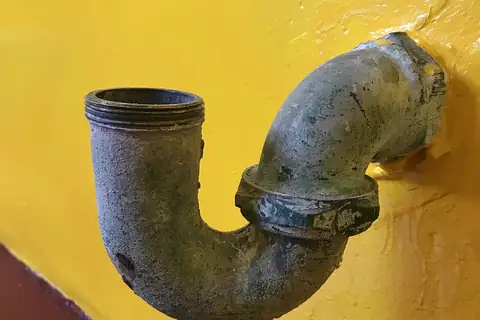 Why does my apartment smell like a sewer?Drains back up or something smellsWho pays, usually: Refilling a dry trap costs only a little water. A broken trap or toilet seal in your unit often falls to the owner or landlord, while a blocked vent or cracked stack usually goes to the building.
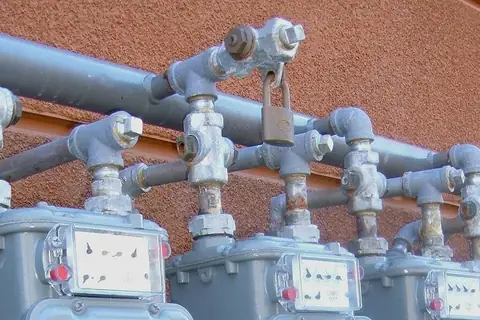 I smell gas in the hallway or my unit. What should I do?Drains back up or something smellsWho pays, usually: Nobody needs to decide that yet. Once responders have made the building safe, a repair falls to the utility, the building, an owner or a landlord, depending on where the leak turned out to be.
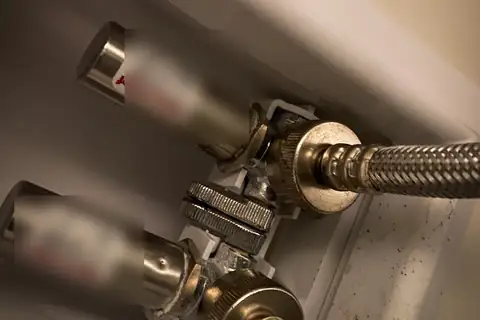 Why do the pipes bang in my apartment?Noises in the wallsWho pays, usually: A missing arrestor or loose strap at your own fixture often falls to the owner or landlord. High building pressure or banging on shared lines goes to the association or building.
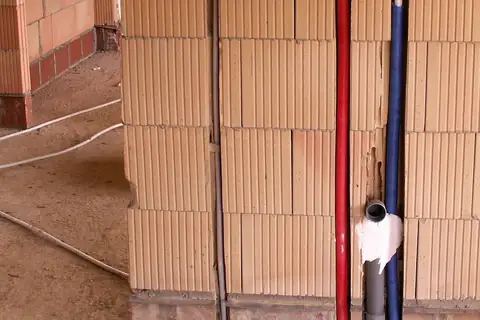 I hear water running in the wall, even at night. Is that a leak?Noises in the wallsWho pays, usually: A running toilet or drip in your unit is usually the owner's or the landlord's. A leak in shared pipe usually goes to the association, and any water damage then follows the declaration and policies.
 The association billed me the master policy deductible. Can it?A bill or assessment arrivedWho pays, usually: That depends on your state and declaration; some rules make the deductible a shared expense, some let the board charge the unit where the damage began, and some look at fault.
 Flood, leak or sewer backup: which insurance applies in a condo?A bill or assessment arrivedWho pays, usually: It follows the water's cause and path: the association's policies for building damage, your HO-6 or renters policy for your share of a leak, and flood cover only if someone bought it.
 Why is our shared water bill so high, and how do apartments split it?A bill or assessment arrivedWho pays, usually: With one master meter, the building pays and recovers it through rent, condo fees or a formula; with submeters, each unit usually pays for its measured use, under rules that vary by place.
 How do I find out which pipes are mine?You want to understand your buildingWho pays, usually: Your declaration usually decides, with state law filling gaps in some states; pipes serving several units are often the association's, while lines serving one unit vary widely from building to building.
 How is plumbing different in a high-rise versus a garden-style building?You want to understand your buildingWho pays, usually: Your declaration decides in either type; high-rise owners more often share costs for risers, pumps and central systems, while garden-style owners may more often face costs for lines and heaters serving just their unit.