What does condo insurance (HO-6) do after a water leak?
Who pays, usually: Your HO-6 commonly pays for belongings and for interior items the master policy leaves out, after your deductible, if the cause is covered; your declaration and policy wording draw the line.
Filed under Probably yours
After a leak, condo insurance usually handles sudden water damage to your belongings and to the parts of the unit the master policy leaves out, but often not slow leaks or the building itself.
From the Whose Pipe Is It? desk. Sources last checked November 3, 2026. .
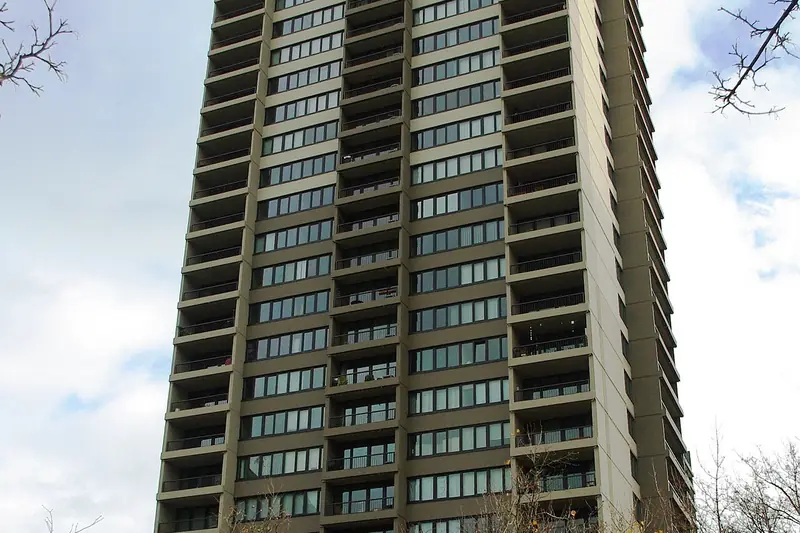
An HO-6 insures your part of the building, and someone else's paperwork defines what your part is. So a claim has two questions in it. What does the association's master policy already pay for? And was the cause of this water something your policy covers?
What does the master policy leave to the owner?
Washington's insurance regulator describes three common kinds of master policy, set by a community's governing documents. All-in covers the exterior and interior finishes. All-in excluding improvements leaves out what owners added. Bare walls, also called walls out, stops at the uncovered sheetrock and subfloor, leaving the finishes to you.
To learn yours, ask the board or manager, and ask for the Certificate of Insurance. Washington says owners receive one each year showing limits and the deductible. Then read the insurance article of your declaration, because the certificate won't say who insures the vanity.
| What got wet | Usually looks to | What decides it |
|---|---|---|
| Drywall inside your unit | Either | Which type of master policy you have |
| Floors, cabinets, paint | Often HO-6 | Master type; state law in some states |
| Upgrades you installed | Often HO-6 | Whether the master covers improvements |
| Furniture, clothes, electronics | HO-6 | Your personal property limit |
| A hotel while the unit is unlivable | HO-6, if you have the cover | Loss of use wording; the cause must be covered |
| Your neighbor's ceiling, from your leak | Your liability cover | Fault and your documents |
The pipe itself is a separate matter. Repairing a worn line is often a maintenance question, and Washington's regulator lists wear and tear and maintenance items among the things condo insurance doesn't cover. Who fixes the pipe depends on whose pipe it is.
Was it sudden, or was it slow?
This is where many claims turn. Texas's insurance department says most home and renters policies cover sudden and accidental water damage, with a burst pipe, a toilet overflow and a broken washer hose among its examples. It also says they usually won't cover gradual leaks or seepage.
Washington's regulator goes a step further: most policies don't cover gradual leaks that have gone on a long time, even if you had no way of knowing. A pipe behind a wall is its own example. A hidden leak gets no sympathy for being hidden. Check how your policy words it, and ask your agent about a stain that has been growing for weeks.
The form matters as well. Florida's Chief Financial Officer says HO-6 policies there are normally written on a named-perils basis, with an endorsement available to broaden them. If water escape isn't plainly on your list, ask.
What about loss of use and loss assessment?
Both vary. Maryland's regulator calls them optional add-ons there. California's guide says loss of use on a condo policy is generally limited to 40% of the personal property limit, and suggests checking loss assessment cover. Under section 627.714, Florida unit policies must carry at least $2,000 of it, deductible capped at $250, only for a type of loss the policy covers. That is Florida's number and nobody else's. If the association has billed you, see what a deductible charge involves.
The first days after a covered-looking leak
- Stop the water if you can do it safely, and tell building staff about anything beyond your unit valve.
- Take photos and video, including the source if it's safe to reach.
- List damaged items with model and serial numbers, and keep receipts for emergency repairs.
- Tell the board or manager, and tell your insurer. Each claim may need both.
- Start drying. EPA's window is 24-48 hours if you want to prevent mold growth; see how to dry out.
- Keep a log of calls, adjusters, invoices and payments.
What if a neighbor's leak caused it?
Your own policy is still usually the first call. Washington's regulator says that when a neighbor's negligence caused the damage, your HO-6 typically pays for what the master policy doesn't, plus belongings, and your insurer may try to recover from the neighbor's liability cover. Your CC&Rs may also set out how liability works. See who pays for a condo ceiling leak for the rest.
If you own
This is your policy, so read it before you need it. Find the water damage exclusions, the loss of use and loss assessment lines, and how interior items are valued. A mortgage may require the policy: Fannie Mae calls for one when the master policy leaves out any interior or improvements, or has a per-unit deductible.
If you rent
An HO-6 belongs to the owner, and it won't pay for your belongings. The same goes for a landlord's other cover. You need a renters policy for your things, and your lease decides who deals with the building.
The short of it
Find out what the master policy covers, then ask whether your policy covers this cause. Your agent can answer for your wording, and a site like this one can't.
Asked next
Is HO-6 needed if the association already has a master policy?
Usually the master policy doesn't reach your belongings, and it may not reach your interior. Maryland says state law there doesn't require an HO-6, though lenders and governing documents often do. Check your mortgage and your declaration.
How much dwelling cover should a condo owner carry?
Ask your agent to size it against what the master policy leaves to you, which is why the master type matters. Fannie Mae's current rule for loans it buys is the greater of what restores uncovered interior or the per-unit deductible. Older web pages repeat a percentage rule that isn't in the current text.
Does an HO-6 pay for mold after a leak?
Often only in a limited way. Washington says many policies offer limited mold cover when the mold results from a covered loss, and Texas says mold from gradual leaks isn't covered. Ask your agent what your limit is.
Read it yourself
- Washington Office of the Insurance Commissioner, how condo insurance works: master policy types, certificate, exclusions, read Nov 3, 2026.
- Washington Office of the Insurance Commissioner, filing a condo claim: claim steps and neighbor damage, read Nov 3, 2026.
- Washington Office of the Insurance Commissioner, leaks and mold: gradual leaks and limited mold cover, read Nov 3, 2026.
- Texas Department of Insurance: sudden and gradual water damage, read Nov 3, 2026.
- Florida Statutes 718.111: items outside the master policy, Florida only, read Nov 3, 2026.
- Florida Statutes 627.714: loss assessment minimum, Florida only, read Nov 3, 2026.
- Florida Chief Financial Officer, homeowners insurance overview: named perils on HO-6, read Nov 3, 2026.
- Maryland Insurance Administration, condo FAQs: optional add-ons and no state requirement, archived copy of the official page, captured June 8, 2026, read Nov 3, 2026.
- California Department of Insurance, residential guide: condo loss of use and loss assessment, read Nov 3, 2026.
- Fannie Mae Selling Guide B7-3-04: when a unit policy is required, read Nov 3, 2026.
- EPA, a brief guide to mold: drying within 24-48 hours, read Nov 3, 2026.